
What Challenges Do Immigrants Face in the United States?
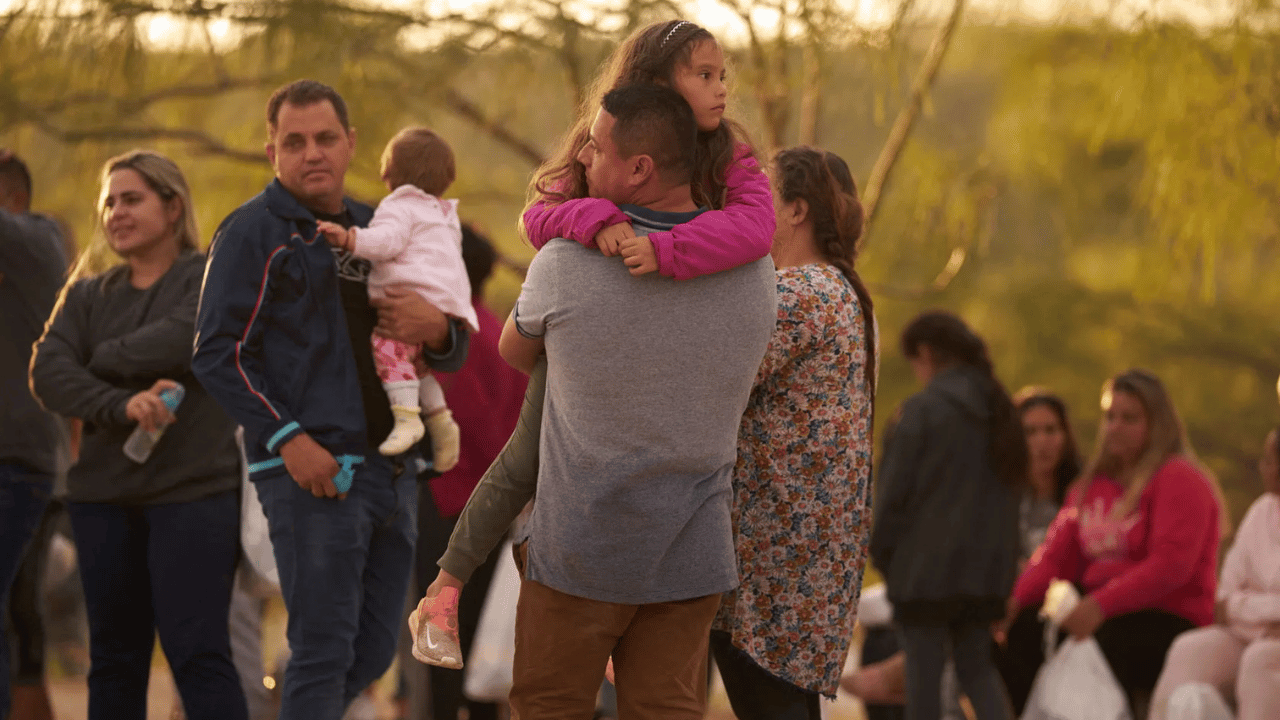
Moving to a new country is never easy. For many people, the journey to the United States comes with hope, effort, and big sacrifices. At the same time, it also brings many struggles that are not always talked about. The Challenges Immigrants Face in the US often begin from day one and continue as families try to settle into a new life.
Many immigrants deal with language barriers that make simple tasks feel stressful. Finding steady work can be hard, even for those with strong skills or education. Legal rules can feel confusing and slow, which adds fear and uncertainty. On top of that, some immigrants face discrimination or feel isolated in their new communities.
These challenges affect daily life, mental health, and long-term stability. Understanding the Challenges Immigrants Face in the US helps create more awareness and empathy. It also helps explain why support, guidance, and access to resources matter so much for immigrant families trying to build a better future.
Adjusting to a New Life in the United States
Adjusting to life in the United States can feel overwhelming, especially in the early months. Everything feels new, from the way people speak to how systems work. Simple tasks like using public transport, visiting a doctor, or filling out forms can take extra effort. These early experiences are a big part of the Challenges Immigrants Face in the US, as daily routines often come with stress and confusion.
Many immigrants also miss their families, culture, and support systems back home. Building new connections takes time, and loneliness can settle in quickly. Cultural differences at work or in social settings can make people feel out of place. Over time, most immigrants learn to adapt, but the adjustment period is rarely easy. Understanding this transition helps explain why settling into a new life in the US requires patience, resilience, and strong community support.
What Challenges Do Immigrants Face in the US?
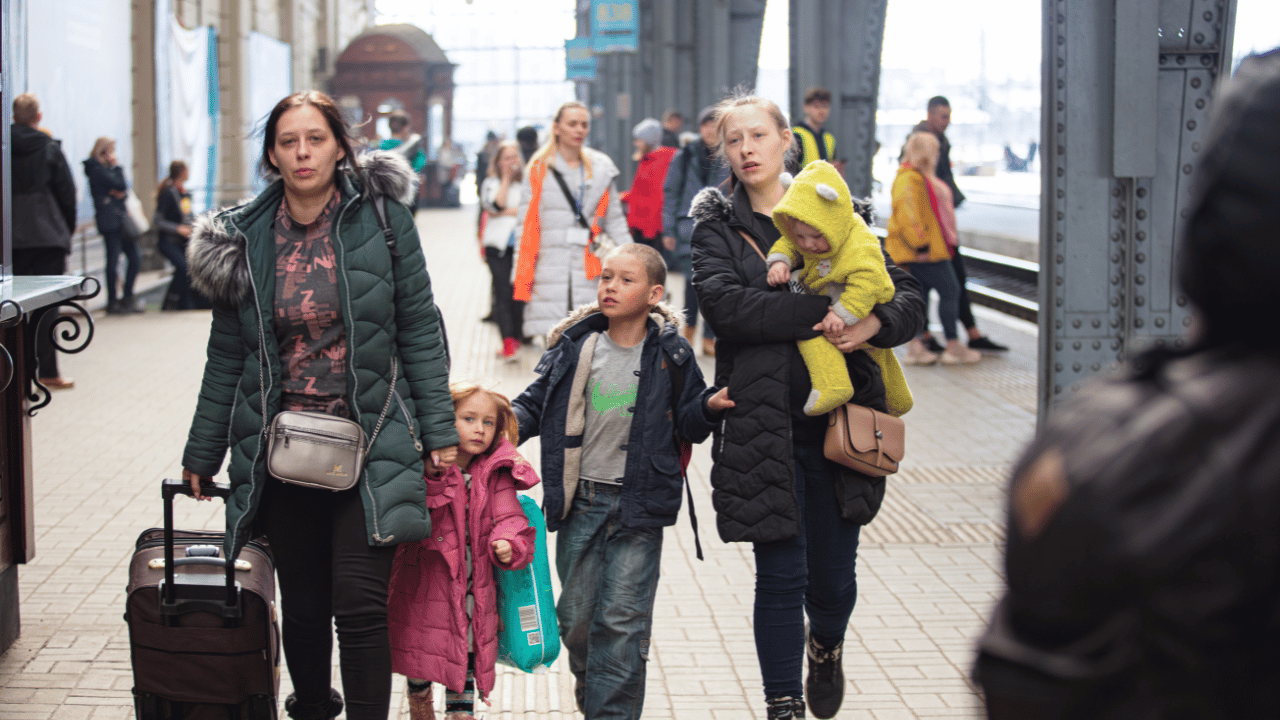
Starting a new life in the United States can be both hopeful and difficult. Many immigrants arrive with dreams of stability and opportunity, but daily life often brings unexpected struggles. The Challenges Immigrants Face in the US are not limited to one area. They affect communication, work, legal safety, health, and social life. These challenges can make simple tasks feel heavy and slow down the process of settling in. Understanding these issues helps explain why the immigrant journey requires strength, patience, and support.
Language Barriers and Communication Difficulties
Language is often the first challenge immigrants face. Limited English can make it hard to talk to doctors, teachers, or employers. Even small things like making phone calls or filling out forms can feel stressful. This gap can lead to misunderstandings and missed opportunities.
Legal and Immigration Status Challenges
Immigration laws in the US are complex and change often. Many immigrants feel confused by paperwork, deadlines, and long processing times. Fear about visa status or deportation adds constant stress. This legal uncertainty affects daily decisions and long-term plans.
Employment and Financial Challenges
Finding stable work is not always easy. Many immigrants struggle to get jobs that match their skills or education. Some accept low-paying or unstable work just to get by. Financial pressure becomes one of the major Challenges Immigrants Face in the US.
Discrimination, Bias, and Social Exclusion
Some immigrants face unfair treatment because of their background, accent, or appearance. This can happen at work, in housing, or in public spaces. Feeling excluded or judged can lead to isolation and loss of confidence over time.
Access to Healthcare and Mental Health Services
Healthcare can be hard to access, especially without insurance. Some immigrants avoid seeking help due to cost or fear of legal consequences. Mental health struggles often go unnoticed, even though stress and anxiety are common during the adjustment process.
Challenges Faced by Undocumented Immigrants
Undocumented immigrants face some of the most difficult and constant pressures in the United States. Fear of deportation affects almost every part of daily life, from going to work to seeking medical care. Many avoid contact with authorities, even when they need help, because they worry about legal consequences. This ongoing fear is one of the most serious Challenges Immigrants Face in the US, especially for those without legal status.
Access to stable jobs, housing, and healthcare is very limited. Undocumented immigrants often work in low-paying roles without job security or legal protection. On top of this, the emotional toll is heavy. Anxiety, depression, trauma, and chronic stress are common due to family separation, past experiences, and constant uncertainty.
Psychological evaluations play an important role here. These evaluations help document mental health impacts such as trauma, fear, and emotional distress. They are often used in immigration cases to support requests for relief or protection. Many individuals search for immigration psychological evaluations near-me to find qualified professionals who understand the legal requirements and emotional complexities involved. For many undocumented immigrants, proper mental health evaluation and support can make a real difference in both legal outcomes and overall well-being.
Conclusion
The journey of immigration is filled with hope, but it also comes with real and lasting challenges. From language barriers and legal stress to discrimination and mental health struggles, the Challenges Immigrants Face in the US affect every part of life. For undocumented immigrants especially, fear and uncertainty can take a serious emotional toll. These experiences are often unseen, but they deeply impact well-being, family stability, and the ability to move forward.
At Clarity Mental Health Counseling, we understand how heavy this journey can feel. We provide supportive, culturally sensitive mental health counseling for immigrants and their families. We also conduct professional psychological evaluations for immigration-related cases when they are needed. These evaluations help document emotional distress, trauma, and mental health impacts in a clear and ethical way. If you or someone you know needs counseling support or a psychological evaluation, feel free to reach out. You do not have to navigate this process alone, and the right support can make a meaningful difference.